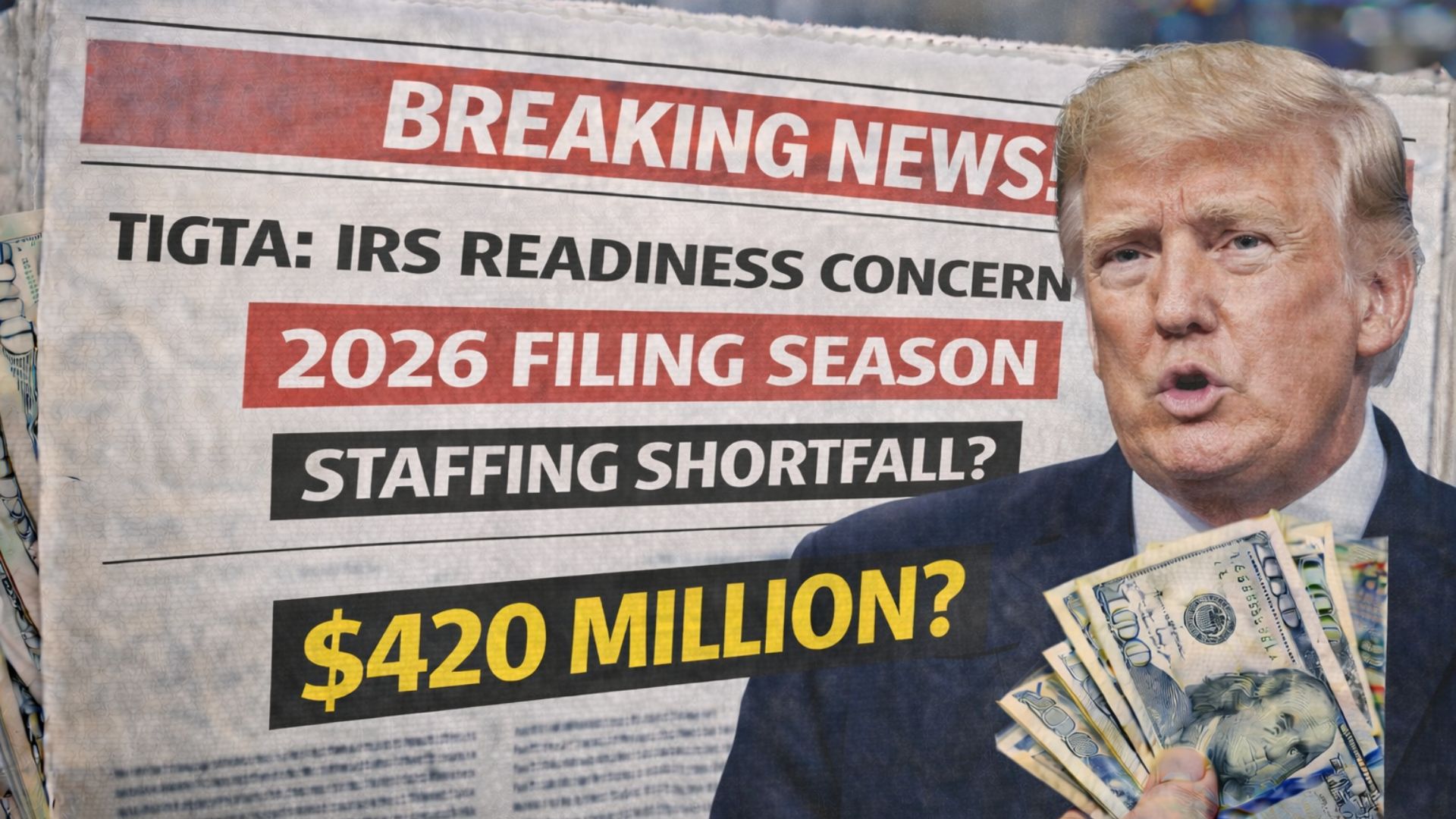
As February 2026 moves closer to the start of the tax filing season, growing concerns are emerging about whether the Internal Revenue Service is fully prepared to handle the workload. The Treasury Inspector General for Tax Administration has raised warnings that ongoing staffing shortages could seriously affect how smoothly the 2026 filing season unfolds for taxpayers across the United States.
Staffing Challenges Ahead of the 2026 Filing Season
TIGTA has pointed out that the IRS continues to face staffing limitations that may not match the scale of work expected during the upcoming filing season. Every year, the agency processes millions of tax returns, refund claims, and taxpayer inquiries. For 2026, those numbers are expected to remain high. However, a lack of trained personnel could make it difficult for the IRS to keep up with demand, increasing the risk of delays and backlogs.
Why Adequate Staffing Is So Important
The tax filing season is the busiest and most critical time of the year for the IRS. Proper staffing is essential to ensure tax returns are reviewed on time, refunds are issued accurately, and taxpayer questions are answered without long delays. When staffing levels fall short, unresolved cases can pile up quickly. This often leads to longer wait times, slower responses to notices, and frustration for both individuals and businesses trying to stay compliant with tax rules.

How Taxpayers Could Be Affected
If staffing shortages continue into the 2026 filing season, taxpayers may notice slower service in several areas. Paper tax returns could take longer to process, errors may take more time to resolve, and reaching customer service representatives could become more difficult. For many households that depend on tax refunds to manage essential expenses, even small delays can create financial strain. TIGTA has stressed that these risks are especially concerning given the volume of returns expected.
IRS Efforts to Address Staffing Issues
The IRS has acknowledged these concerns and has taken steps to improve its workforce situation. These efforts include hiring seasonal staff, expanding training programs, and using technology to reduce manual work. While these measures may help, TIGTA has indicated that they may not be enough to fully resolve staffing shortages before the filing season begins.
What the February 2026 Update Means
TIGTA’s warning highlights the importance of preparation as the filing season approaches. While the IRS continues to modernize systems and improve digital services, staffing remains a key factor in overall readiness. Filing early and using electronic filing options may help taxpayers reduce potential delays.

Looking Ahead
As February 2026 unfolds, questions about IRS readiness remain. Staffing challenges could shape the filing experience this year, making awareness and early preparation more important than ever.
Disclaimer:
This article is for general informational purposes only. IRS operations, staffing levels, and filing season procedures are determined by official government policies and may change. This content does not constitute legal, financial, or tax advice. Readers should consult official IRS or TIGTA sources or qualified professionals for guidance specific to their situation.